
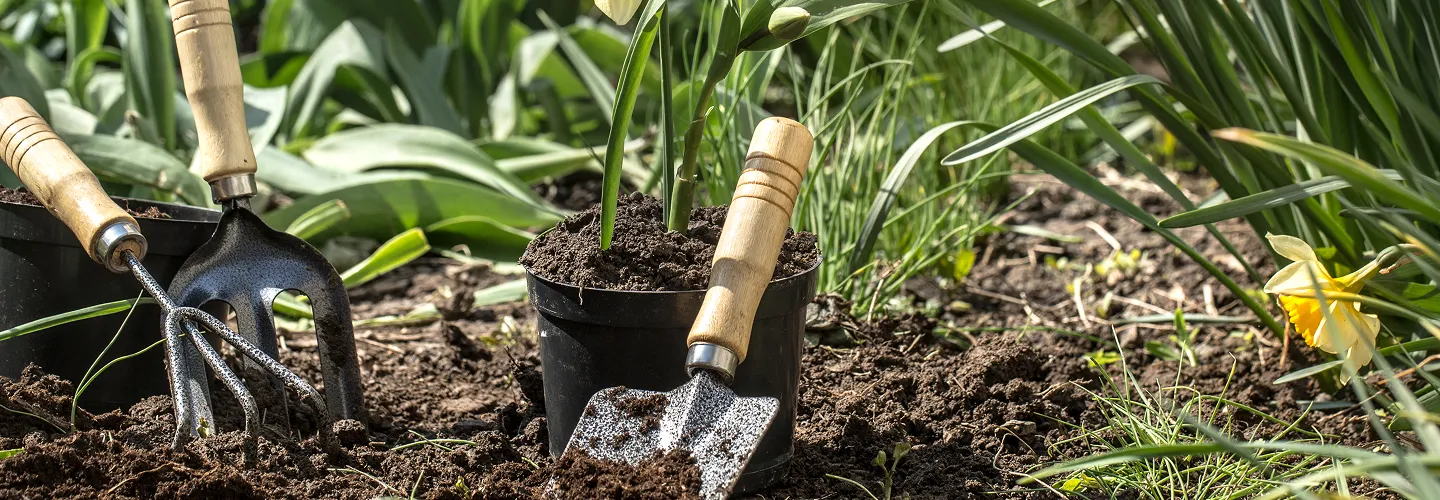
Lampasas Lawn Grubs Control Services
Choose our Lawn Grubs Control for proven, effective treatments that safeguard your grass, restore your yard’s health, and keep your landscape beautiful all season long.
Get a Free QuoteOur Lampasas Landscaping & Yard Care Services
When to Schedule Lawn Grubs Control in Lampasas, Texas – Seasonal Guide
In Lampasas, Texas, timing your lawn grubs control is crucial for effective results and long-term turf health. The optimal period for treatment typically falls between late spring and early summer, just before grubs hatch and begin feeding on grassroots. Lampasas’s unique climate—with its hot, dry summers and mild winters—means that soil temperatures and moisture levels play a significant role in grub activity. Neighborhoods near Hancock Park or along the Colorado River may experience different microclimates, so it’s important to consider your specific location when planning service.
Local environmental factors such as the average last frost date in early March, periods of drought risk, and the prevalence of sandy or clay-heavy soils can all impact the best time for application. Areas with dense shade from mature oaks or pecans, like those found in the Western Hills subdivision, may retain moisture longer, affecting grub populations. For more information on local environmental guidelines, visit the Lampasas municipal resource.
Local Factors to Consider for Lawn Grubs Control in Lampasas
- Tree density and shade coverage, especially in established neighborhoods
- Soil type (sandy vs. clay) and drainage characteristics
- Seasonal precipitation patterns and drought advisories
- Proximity to water features such as Sulphur Creek or the Colorado River
- Municipal restrictions or recommendations on pesticide use
- Terrain slope and risk of runoff during heavy rains
Benefits of Lawn Grubs Control in Lampasas
Effective Grub Elimination
Healthier, Greener Lawns
Eco-Friendly Treatment Options
Experienced Landscaping Professionals
Customized Lawn Care Plans
Long-Term Pest Prevention
Lampasas Lawn Grubs Control Types

Preventative Grub Treatments
-
Curative Grub Treatments
-
Biological Grub Control
-
Organic Grub Solutions
-
Chemical Insecticide Applications
-
Nematode Applications
-
Integrated Pest Management
Our Lawn Grubs Control Process
Inspection and Identification
Customized Treatment Plan
Targeted Application
Monitoring and Follow-Up
Why Choose Lampasas Landscape Services
-
Lampasas Homeowners Trust Us
-
Expert Lawn Maintenance
-
Reliable Scheduling
-
Competitive Pricing
-
Professional Team
-
Satisfaction Guarantee
-
Personalized Service
Lampasas’s Vertisol and Mollisol Soils: Implications for Lawn Grub Management
Lampasas lawns are predominantly established on Vertisol and Mollisol soils, as identified by the USDA Web Soil Survey. Vertisols, such as Houston Black clay, are expansive, alkaline (pH 7.5–8.2), and prone to compaction, while Mollisols offer higher organic matter but can be poorly drained. These soil conditions influence grub populations and the effectiveness of control measures. For optimal results, core aeration to a depth of 2–3 inches is recommended in compacted areas before applying grub control products. Soil testing through Texas A&M AgriLife Extension (typical cost: $15–$25) is advised to determine pH and nutrient status. Key soil management steps include:
- Aerate compacted clay soils every 2–3 years
- Apply lime if pH falls below 6.5
- Incorporate 2–3 inches of compost to improve drainage
Lampasas TX Public Works
312 East Third Street, Lampasas, TX 76550
Phone: (512) 556-8315
Official Website: Lampasas TX Public Works
Seasonal Timing and Weather Considerations for Grub Control in Lampasas
Lampasas is located in USDA Hardiness Zone 8b, with average last frost in early March and first frost in late November. The optimal window for preventive grub control is May 15–July 15, when Japanese beetle and masked chafer larvae are newly hatched and most susceptible. Soil temperature should be 55–65°F at a 2-inch depth, which can be monitored via the National Weather Service Austin/San Antonio Office. Avoid applications during peak summer heat (above 90°F) to reduce turf stress. Timing recommendations:
- Preventive treatments: May 15–July 15
- Curative treatments: August–early September (if grubs detected)
- Avoid: June–August for new seeding or fertilization
Municipal Coordination and Compliance with Lampasas Lawn Care Ordinances
Lawn grubs control activities in Lampasas must comply with city ordinances regarding chemical application, equipment operation, and waste disposal. Equipment operation is permitted:
- Monday–Friday: 7:00 AM–7:00 PM
- Saturday: 8:00 AM–6:00 PM
- Sunday and holidays: Prohibited All pesticide applications must avoid drift onto sidewalks, storm drains, or neighboring properties. Yard waste, including turf removed due to grub damage, should be placed in biodegradable bags or 32-gallon bins for Thursday curbside collection (April–November). Prohibited: plastic bags, branches over 4 inches diameter. For ordinance details and collection schedules:
Lampasas TX Code Enforcement
312 East Third Street, Lampasas, TX 76550
Phone: (512) 556-6831
Official Website: Lampasas TX Code Enforcement
Environmental Compliance: Protecting Lampasas Waterways and Sensitive Areas
Lampasas’s proximity to Sulphur Creek and Hancock Springs Park requires strict adherence to buffer zones and stormwater regulations. Maintain a 25-foot no-application buffer from all wetlands and open water. The city’s MS4 permit, regulated under the Clean Water Act and Texas Water Code, prohibits pesticide runoff into storm drains. Key compliance steps:
- No grub control products within 25 feet of water bodies
- Sweep granules from hard surfaces into turf
- Report spills to city authorities immediately
Texas Commission on Environmental Quality
12100 Park 35 Circle, Austin, TX 78753
Phone: (512) 239-1000
Official Website: Texas Commission on Environmental Quality
Professional Standards and Safety Protocols for Grub Control in Lampasas
All lawn grub control in Lampasas must adhere to professional safety and equipment standards. Applicators must use:
- Eye protection: ANSI Z87.1 safety glasses
- Hearing protection: Earmuffs or plugs for 85+ dB noise
- Gloves: Chemical-resistant for pesticide handling
- Footwear: Steel-toed, non-slip boots Equipment must be calibrated for even application, and all personnel should maintain a 15-foot clearance from public sidewalks and playgrounds. Only EPA-registered products may be used, and all labels must be followed precisely. For guidance on best practices and certification:
Texas A&M AgriLife Extension
17360 Coit Road, Dallas, TX 75252
Phone: (972) 952-9200
Official Website: Texas A&M AgriLife Extension
What Neighborhoods Do We Serve Throughout Lampasas, TX?
- Historic Downtown: Features mature trees and compacted clay soils, requiring careful grub monitoring and aeration to prevent turf loss in shaded lawns.
- Western Hills: Newer developments with improved drainage but higher sun exposure, making preventive grub control essential during late spring.
- Hancock Springs Area: Proximity to Sulphur Creek and parklands necessitates strict buffer compliance and runoff prevention to protect sensitive habitats.
- North Ridge: Larger lots with mixed soil types and occasional slope, requiring tailored application rates and erosion control during treatments.
- Southside Residential: Dense housing with limited yard space and frequent foot traffic, demanding precise application and adherence to noise ordinances.
- East Lampasas: Transitional area with both older and new homes, variable soil compaction, and occasional flooding, requiring flexible timing and soil amendments.
- River Bend Estates: Located near water bodies, this area requires enhanced environmental safeguards and strict adherence to buffer zones for all chemical applications.